December 9, 2025
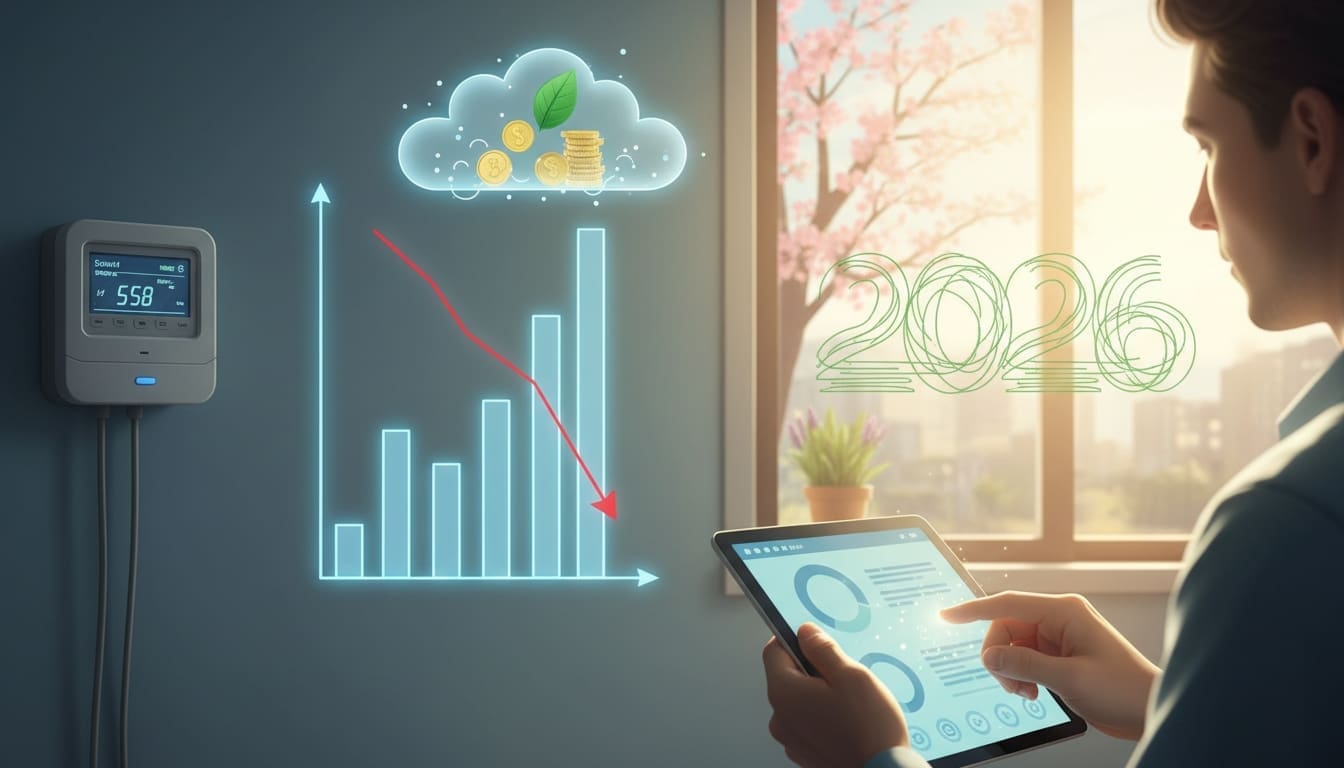
UK Budget 2026: Will Households Finally Get a Break on Energy Costs?
After years of rising prices, government interventions, and fluctuating energy markets, many British households are eagerly waiting to see whether…
Take control of your energy bills with smarter, hassle free comparisons. Compare energy deals in minutes and switch with confidence.

The energy price cap, set by Ofgem, limits the maximum amount suppliers can charge you per unit of gas and electricity. As of the latest update, the typical annual energy bill for a dual fuel household paying by direct debit is...
£
1,849.00 
But remember, this cap isn’t the lowest rate available. To find the best tariff for your home, it’s smart to compare energy prices regularly. By doing so, you could save hundreds of pounds a year depending on your usage and location.
Green energy, also called renewable energy, comes from natural sources that top themselves up; like the sun, wind, and tides. It’s clean, sustainable, and doesn’t pump harmful emissions into the atmosphere like coal or oil do.
Because these resources don’t run out, green energy is a future-proof choice that’s better for the environment and a growing number of people are making the switch.
These days, most energy suppliers offer green tariffs, so it’s easier than ever to find a plan that’s both eco-friendly and cost-effective. When comparing energy plans, you can filter specifically for green options to see what’s available in your area. Just pop in your postcode to get started.

Before you go green, it’s worth knowing what you’re getting. From clean power and cash savings to setup space and cost quirks, we break down the benefits and the trade offs so you can choose with confidence.
Sustainability
Green energy comes from renewable sources like wind, solar, and hydro. It doesn’t produce harmful emissions and helps protect the planet for future generations.
Reliability
Renewable energy is more dependable than you might think. Solar panels work with daylight (not just sun) and the UK’s windy climate is perfect for wind power.
Potential to earn
If you generate your own energy, you can sell any extra back to the grid. It’s a great way to make your investment work harder.
Cost
Some green tariffs still come at a slightly higher price, but the gap is shrinking fast as renewable tech becomes more common.
Greenwashing
Not all tariffs marketed as “green” are 100% renewable. It can be tricky to tell, but tools like accreditations can help you spot the real deal.
Space needed
If you’re installing solar panels or wind turbines at home, keep in mind that they take up physical space and might not suit every property.
Too much information? Roo Makes It Easy
He finds the best energy deals, skips the jargon, and helps you switch in minutes. No pressure, just smart savings when you’re ready.
Need time? Roo’s always here, scanning prices 24/7 so you don’t miss out.
Finding the best deal isn’t just about price. When you compare energy deals with Roo, it's about spotting the details that make a real difference. Here’s what to keep an eye on:

Some energy tariffs especially fixed ones come with early exit fees. These are usually charged per fuel (gas and electricity), and can cost between £10 and £60 each. That means if you decide to switch again before your contract ends, you might be penalised.
Roo highlights any exit fees upfront, so you’re never caught off guard. If flexibility is important to you, look for no-exit-fee options when you compare energy with us.

Energy tariffs can be misleading. The price shown is often based on “typical usage” or averages, and doesn’t always reflect your real consumption. To get a true sense of cost, you need to check:
Unit Rate (per kWh): The cost of the actual energy you use
Standing Charge: The daily fee just to stay connected
Tariff Type: Fixed or variable pricing over time
Roo shows you all this clearly when you compare energy deals, no jargon, no surprises.

Most fixed-rate tariffs last 12 to 24 months. They’re great if you want to protect yourself from rising prices, but what if the market drops? Or if you want to switch again soon?
Longer-term deals may save you money now, but cost you later. Roo helps you weigh the risk and choose the right term for your situation. even flagging flexible tariffs with no lock-in at all.
We make switching simple, secure, and stress free. With Roo by your side, you’ll compare energy offers from trusted providers and unlock smarter ways to save, all in just a few clicks.

Trusted & Secure
Your privacy matters. At Switcheroo, we’re committed to protecting your data and helping you switch with confidence. Every comparison you make is secure, transparent, and backed by our promise of no hidden catches.


Exceptional Savings
We work directly with suppliers and tap into exclusive partner deals, giving you access to offers you won’t see anywhere else. Roo’s algorithms surface the strongest value options fast, so you can switch and save without the guesswork.

Direct Comparison
Roo does the legwork. Our platform lets you compare energy rates from multiple providers side by side, showing you real-time deals based on your home, habits, and preferences. No fluff, just the facts, clearly laid out.
Big brands. Better deals. Smarter savings. At Switcheroo, we partner with the UK’s top energy suppliers to bring you exclusive access to the best offers. Whether you’re after greener energy, cheaper bills, or faster more reliable switching, we make it easy to compare energy providers UK wide.






No clue where to start? Roo does.
Run a quick comparison and Roo will help you pick the perfect fit, faster than you can say “am I heating my home or a small country?”
With Roo, it’s easy to compare energy tariffs side by side, based on what really matters: price, contract length, flexibility, and more. No pressure, no jargon, just real results, ready when you are.
December 9, 2025
After years of rising prices, government interventions, and fluctuating energy markets, many British households are eagerly waiting to see whether…
August 22, 2025
UK green energy policies are at the forefront of reshaping the nation’s energy sector, with ambitious targets set to boost…
UK solar power 2025 is set to take centre stage as the government unveils ambitious plans to enhance renewable energy…
The UK government renewables sector is poised for significant growth, with recent projections indicating record highs in renewable energy generation…
December 16, 2024
Understanding the New Reality of Electricity Rates in the UK… British homes now have to contend with electric rates that…






We get it, energy bills can hit hard, especially when prices rise or life throws you a curveball. But you’re not alone, and you’re not without options. If you’re feeling the pinch, Roo’s here to help you find support, unlock savings, and compare energy providers that offer fair, flexible options.
There are a few government-backed schemes designed to help when the cold bites back. If you qualify, you could get a bit of extra help through:
If you’re in a vulnerable situation or just need a bit more TLC, these amazing organisations are ready to lend a hand:
If you’re struggling, reach out to your energy provider directly. Many have hardship funds, payment plans, or can even remove late fees, but they can’t help if you don’t ask.
Got credit on your account? You might be owed a refund. Learn how to claim back credit from your energy supplier. Yes, they have to give it back if it’s yours!
Sure, switching to a better tariff is the big one (and Roo can help you compare energy deals for that). But what about the little wins? Here are 5 super simple ways to cut your costs, starting today, without flipping your whole routine upside down.
1. Boiler behaving badly?
Most boilers are set way too high, often 70-80°C by default. Turning yours down to 60°C keeps things cozy and could save you up to £65 a year. Hot tip? You bet.
2. Thermostat tango
Just a 1°C drop could cut around £90 off your bill. Keep it above 18°C to stay comfy, but tweak it wisely and your wallet will thank you.
3. Air fryer for the win
Ovens are greedy. Air fryers are fast, efficient, and perfect for tasty snacks. Less heat, less wait, lower bills, what’s not to love?
4. Cool it on the laundry
Today’s detergents are superheroes. They work wonders at 30°C, meaning you don’t need to boil your socks every time you wash them. Lower temps = lower bills.
5. Stop overnight phone-charging!
Most phones hit 100% long before morning. Charging overnight = wasted energy. Unplug before bed and let your charger (and the grid) rest easy.
Spoiler: because your wallet will love you for it.
Switching isn’t scary, it’s smart. When you compare energy providers, you’re not just chasing lower bills (though that’s a big win). You’re choosing better service, greener power, and deals that fit your life. Here’s why thousands of people switch every month with Roo.

Get a better deal
Energy prices change constantly, and what was a good rate last year might be overpriced today. By comparing suppliers, you could save hundreds annually on your gas and electricity, just by switching to a more competitive tariff.
Roo checks all the live offers for you, making it easy to compare energy deals that match your usage and budget.

Get a better service
A cheap rate doesn’t mean much if the service is rubbish. If your current supplier is hard to reach or doesn’t resolve issues quickly, you deserve better. Roo helps you switch to providers rated for great customer support, not just cheap prices.

Greener energy
Looking to shrink your carbon footprint? Many UK suppliers now offer green tariffs powered by renewables like wind and solar. Roo highlights eco friendly plans, so you can choose energy that’s good for the planet and your pocket.
 Roo’s got your back...
It only takes a few clicks to compare energy tariffs, understand your options, and find a deal that works for you, no stress, no pressure, no roo nonsense.
If you haven’t switched your energy deal in over a year, you might be stuck on a standard variable tariff (SVT). That means your bills could jump without warning, and let’s face it, that’s not fun for anyone.”
The good news?
There are smart, fixed rate deals that keep your costs steady and your wallet happy. And switching isn’t just for energy geeks, it’s for anyone who doesn’t fancy overpaying to boil a kettle!
When you compare energy deals with Roo, you’ll see the latest fixed offers laid out clearly, so you can lock in peace of mind today, not guess what you’ll pay tomorrow.

Most green energy plans offer 100% renewable electricity, while many suppliers are also beginning to offer a level of “green gas” by turning organic matter into biomethane. Green gas comes from a process called anaerobic digestion, where bacteria is used to break down food or farm waste to produce gas. This green gas is carbon neutral as it is produced from materials that absorb CO2 that is then released back when the gas burns.
Hopefully in the future all gas can come from renewable sources but at the moment, there are not enough biomethane plants in the UK to make it a cost effective alternative to fossil fuels. This means suppliers still have to use natural gas to make sure customer demand is met. Some suppliers invest in additional carbon offset schemes to make sure the natural gas used is carbon neutral, even where green gas is not available.
Green energy plans can cost a little more than non-green plans, but what’s important to note is that they will almost always still be cheaper than a standard variable plan. While your green plan may not be the absolute cheapest deal on the market, a fixed deal should still be at the lower end of what’s on offer.
The best green supplier is different for everyone. Each supplier operates differently, has varying prices for tariffs and offers different things to customers. You may prioritise the cheapest green energy supplier, or one that has a strong customer service record. Make sure you take your time and compare green energy suppliers before signing up to a deal to make sure you’re completely happy with your choice.
When it comes to choosing a green energy supplier, everyone prioritises different things. Price could be key for you, and while green tariffs are generally a bit more expensive than non-green tariffs, a fixed green deal will still probably cost you less than a standard variable tariff.
If the source of your green energy is important to you, check potential green suppliers’ fuel mixes to see how the green electricity is sourced. This will allow you to see which providers are actually green and which might still be generating a percentage of their power through fossil fuels. When it comes to green gas, the best way to check is via the Plan Info section accessible through the results table when you compare energy deals through Uswitch. This clearly explains how green the green tariff is, assuming you’ve selected one. It’s important to be aware that any green gas generated is almost certainly going to be mixed with natural gas as the UK doesn’t produce enough green gas to supply the whole country. However, most companies offer carbon offsetting as an alternative to green gas, so ensure you have a look at the way they do this before signing up.
There are other factors that might affect which green energy supplier you use, such as customer service records and rewards or add-ons. Make sure you know what your priority is, and use that to guide your decision.
Electric vehicles use electricity, but whether the electricity is green or not is up to you and the tariff you sign up to. The electricity is only green if it comes from a renewable source which, if you’ve decided to invest in an electric vehicle, should already be something you’re thinking about. If the electricity you power your vehicle with isn’t renewable, it negates the point of buying the vehicle in the first place and will result in a less positive impact on the environment.
Biomass may be counted as renewable source of energy, but it isn’t as clearcut a source as the likes of solar or wind energy. The main issue is that burning biomass waste releases CO2 and carbon monoxide into the atmosphere. Because plants and trees can be planted to replace those used in the process, it’s still technically a renewable energy source, but those harmful effects of biomass production have meant that many energy suppliers are now reconsidering its place in their fuel mixes.
The material needed to power a nuclear power plant is not renewable. The rare type of uranium that most plants use is a finite resource like coal so, although nuclear power plants generate clean power that doesn’t pollute the environment when it’s generated, it can’t be truly called renewable.
December 9, 2025
After years of rising prices, government interventions, and fluctuating energy markets, many British households are eagerly waiting to see whether…
August 22, 2025
UK green energy policies are at the forefront of reshaping the nation’s energy sector, with ambitious targets set to boost…
UK solar power 2025 is set to take centre stage as the government unveils ambitious plans to enhance renewable energy…
The UK government renewables sector is poised for significant growth, with recent projections indicating record highs in renewable energy generation…
December 16, 2024
Understanding the New Reality of Electricity Rates in the UK… British homes now have to contend with electric rates that…