

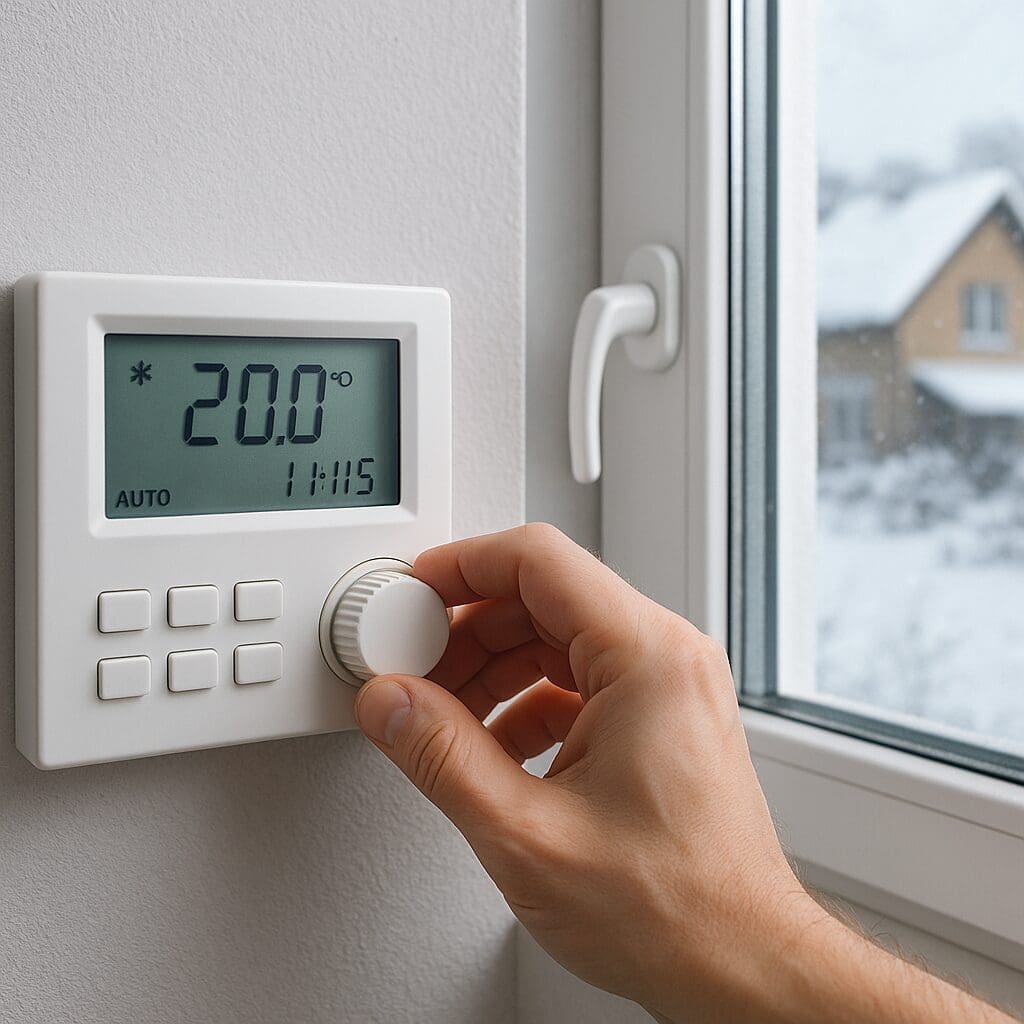

When temperatures drop sharply in winter, heating your home can become more expensive , especially for households already struggling with rising energy costs. That’s why the UK government runs the Cold Weather Payment scheme, designed to give extra support to people on certain benefits during periods of severe cold.
But the rules often change, and many people aren’t sure whether they qualify, how much they can get, or how the payment is triggered. This guide breaks everything down in a clear, simple, human way so you know exactly what to expect when the weather turns icy.
If you’d like help understanding your energy tariff or comparing better deals while heating costs are high, you can use Switcheroo’s comparison tool here:
What Is the Cold Weather Payment?
Cold Weather Payments are government payments made to support vulnerable households during periods of extreme cold. They’re designed to help with heating costs when temperatures become dangerously low, ensuring people do not have to choose between warmth and other basic essentials.
The scheme runs each winter, and payments are sent automatically when the temperature in your area hits a certain threshold , meaning you don’t need to apply or fill out any forms. You simply receive the payment if you qualify.
When Do Cold Weather Payments Happen?
A Cold Weather Payment is triggered when the average temperature in your local area is recorded as 0°C or below for seven consecutive days. This is monitored using local weather stations, and each eligible household receives £25 for every qualifying period of extreme cold.
The payments are made directly into your bank account within two weeks of the qualifying cold period. Because the system tracks temperatures by postcode, some areas may receive payments while neighbouring areas do not.
Who Qualifies for Cold Weather Payments?
Eligibility is linked to certain benefits, as the scheme is aimed at those most likely to struggle with winter energy costs. You may qualify if you receive one of the following:
- Pension Credit
- Income-based Jobseeker’s Allowance
- Income-related Employment and Support Allowance
- Universal Credit (with specific conditions)
- Support for Mortgage Interest
You don’t need to apply , if you receive one of these benefits and meet the additional criteria (for example, disability elements or housing circumstances), payments are made automatically.
For more help understanding your bills or reducing costs, see our guides: Check You Cold Payment Eligibility
How Cold Weather Payments Help With Heating Costs
Winter energy use can rise sharply, especially in older homes that lose heat quickly. Cold Weather Payments are designed to ease the pressure by contributing to the extra heating needed during freezing temperatures.
Many households combine this support with simple efficiency steps, such as reducing draughts or using heating timers more effectively. While these payments won’t cover your full energy bill, they can make a meaningful difference during the coldest weeks of the year.
If you’re reviewing your tariff this winter, it might be worth checking if switching could lower your overall costs:
What’s the Difference Between Cold Weather Payments and the Winter Fuel Payment?
People often confuse these two schemes. The Cold Weather Payment is triggered by actual freezing temperatures in your area. The Winter Fuel Payment, on the other hand, is a one-off annual payment for most people over State Pension age.
You can receive both if you qualify. The Winter Fuel Payment provides broad support across the winter season, while Cold Weather Payments respond to sudden severe weather.
Find out more information on the governments winter fuel payment here.
Frequently Asked Questions
Do I need to apply for a Cold Weather Payment?
No. If you qualify based on your benefits, payments are made automatically whenever the temperature trigger is met.
How much is the Cold Weather Payment?
It is £25 for every seven-day period of freezing temperatures in your area.
How will I know if my area qualifies?
You may receive a notification, but payments appear automatically in your bank account. You can also check recent triggers online through government resources.
Why hasn’t my area received a payment even though it was freezing?
Payments depend on official temperature recordings from local weather stations. If the average temperature doesn’t stay at or below 0°C for seven days, the payment won’t be triggered.
Does the Cold Weather Payment replace the Warm Home Discount?
No. They are separate schemes, and some households may receive both.
What if I think I should have received a payment but didn’t?
You should contact your pension centre or Jobcentre Plus. Universal Credit claimants can use their online account to report issues.
Can I still receive Cold Weather Payments if I have a smart meter?
Yes. Smart meters do not affect eligibility.
Are Cold Weather Payments available in Scotland?
Scotland now uses the Winter Heating Payment, which replaces the Cold Weather Payment. It is a fixed annual payment, not temperature based.
Can switching energy suppliers affect Cold Weather Payments?
No. These payments are based on your benefits, not your provider. However, switching may help reduce your ongoing winter bills.
Final Thoughts
Cold Weather Payments exist to support the households who need it most during periods of severe cold. While the payments themselves are modest, they can make a meaningful difference during unexpected cold spells, especially when energy prices are high.
If you rely heavily on heating during winter, it’s also worth reviewing your energy tariff to ensure you’re not paying more than necessary. Comparing deals before temperatures drop can help you manage your energy costs more confidently throughout the season.


