November 27, 2026
April Price Cap Could Fall Just 1%, Says Cornwall Insight
Cornwall Insight's forecast for the April price cap points to a fall of about 1%, leaving a typical bill at…
Electricity only, Economy 7 or an all-electric home? Compare electricity tariffs on unit rates, standing charges and exit fees, then switch online.

From 1 October to 31 December 2026, Ofgem puts the price cap for a typical household paying by Direct Debit for gas and electricity in England, Scotland and Wales at
£
1,723.00 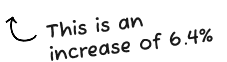
For electricity alone, the average capped rates by Direct Debit for this period are 26.32p per kWh and a 54.83p daily standing charge, according to Ofgem. The government has also cut VAT on household electricity to 0% from 1 October 2026, and says the cut will run to 30 June 2027. Your own rates depend on your region, your meter and how you pay.
The cap limits unit rates and standing charges on standard variable tariffs, not your total bill. Fixed tariffs aren’t covered, so it pays to compare electricity tariffs against your current deal.
To compare electricity tariffs properly, look past the headline price. Two homes on the same tariff can pay very different amounts, because usage, region and meter type all change the bill.
Start with your own usage Your annual usage in kWh is on your bill. If you do not have it, Ofgem’s typical figure for a single rate meter (from 1 July 2026) is 2,500 kWh a year for a medium user.
Unit rate and standing charge The unit rate is what you pay per kWh. The standing charge is a daily fee you pay even if you use nothing. A low unit rate with a high standing charge can suit a big user and cost a small one more.
Fixed or variable A fixed tariff holds your rates for the contract. A standard variable tariff can change every three months in line with the price cap, but usually has no exit fee.
Electricity prices depend on where you live. These are Ofgem’s capped electricity rates by region for homes paying by Direct Debit on a single rate meter, 1 October to 31 December 2026. There is no VAT on household electricity from 1 October 2026 to 30 June 2027.
| Region | Unit rate | Standing charge |
|---|---|---|
| East Midlands | 25.36p/kWh | 51.45p a day |
| Eastern England | 26.61p/kWh | 51.84p a day |
| London | 26.60p/kWh | 42.92p a day |
| Merseyside and North Wales | 27.86p/kWh | 67.66p a day |
| North East England | 25.46p/kWh | 61.58p a day |
| North West England | 26.49p/kWh | 45.68p a day |
| Northern Scotland | 26.35p/kWh | 55.14p a day |
| South East England | 26.88p/kWh | 52.32p a day |
| South Wales | 26.55p/kWh | 55.41p a day |
| South West England | 26.58p/kWh | 55.58p a day |
| Southern England | 26.47p/kWh | 47.81p a day |
| Southern Scotland | 26.11p/kWh | 61.41p a day |
| West Midlands | 25.60p/kWh | 57.23p a day |
| Yorkshire | 25.60p/kWh | 61.67p a day |
| Great Britain average | 26.32p/kWh | 54.83p a day |
These are the electricity only tariffs open to new customers in our comparison partner’s live tariff data, cheapest first, for a home in the West Midlands on a single rate meter using 2,500 kWh a year and paying by monthly Direct Debit. Checked 19 November 2026.
| Supplier | Tariff | Unit rate | Standing charge | Exit fee |
|---|---|---|---|---|
| So Energy | So Green Tracker 24m | 23.60p/kWh | 57.23p a day | £95 |
| Fuse Energy | November 2026 Tracker (15m) V1 | 25.55p/kWh | 45.59p a day | £100 |
| EDF Energy | Simply Tracker Jan28 | 25.60p/kWh | 50.38p a day | £50 |
| E.ON Next | Next Pledge Tracker 12m V12 | 24.60p/kWh | 57.23p a day | £25 |
| British Gas | Cap Tracker Mar2028 v1 | 25.60p/kWh | 50.38p a day | £25 |
| Octopus Energy | Flexible Octopus (Price Capped tariff) | 25.60p/kWh | 56.27p a day | £0 |
| Energy Coop | Co-op Flexible (Price Capped tariff) | 25.60p/kWh | 56.27p a day | £0 |
| Utility Warehouse | Value (Price Capped tariff) | 25.60p/kWh | 57.17p a day | £0 |
| Home Energy | Fair Variable Elec (Price Capped tariff) | 25.60p/kWh | 57.17p a day | £0 |
| Utilita | Smart Energy (Price Capped tariff) | 25.60p/kWh | 57.21p a day | £0 |
| Outfox Energy | Fox Standard Elec (Price Capped tariff) | 25.60p/kWh | 57.23p a day | £0 |
| ScottishPower | Standard (Price Capped tariff) | 25.60p/kWh | 57.23p a day | £0 |
| Sainsbury’s Energy | Sainsbury’s Standard Variable (Price Capped tariff) | 25.60p/kWh | 57.23p a day | £0 |
| OVO Energy | Simpler Energy (Price Capped tariff) | 25.60p/kWh | 57.23p a day | £0 |
| Good Energy | Good Energy 18m Fix Oct26 | 26.10p/kWh | 56.49p a day | £75 |
| 100Green | Sparkling SVT | 26.50p/kWh | 57.22p a day | £0 |
| Ecotricity | Standard Variable Green Tariff | 29.58p/kWh | 57.23p a day | £0 |
The main types of tariff you will see when you look for electricity deals.
Single rate tariffs
Single rate tariffs One unit rate whatever the time of day. The simplest option, and the one most homes are on.
Other time of use tariffs.
Rates that change at set times, or even every half hour. Most need a smart meter and reward moving usage away from busy periods.
EV tariffs
Built around charging an electric car overnight at a lower rate. If you drive electric, compare EV tariffs to see the options.
Heat pump tariffs
Some suppliers offer tariffs designed for homes heated by a heat pump. Check the rates against your expected winter usage.
Prepayment tariffs
Pay before you use, by card, key or app. Prepayment customers can still compare and switch, subject to supplier rules.
Economy 7 Tariffs
A cheaper rate for seven hours overnight and a higher rate the rest of the day. Usually suits homes with storage heaters or a hot water cylinder.

Too Many Tariffs? Roo Makes It Easy
Pop in your postcode here, choose Just Electricity or Gas & Electricity, and see tariffs side by side. No pressure to switch, just a clear picture of your options.
The lowest headline price is not always the best deal for you. Before you pick one of the best electricity deals on a results page, check these three things.

Is there an exit fee? Many fixed tariffs charge a fee if you leave early. Each supplier sets its own and shows it in the tariff details. If you might move soon, a deal with no exit fee may suit you better.

What will you really pay? Compare the estimated annual cost for your usage, not just the unit rate. It combines both charges with the kWh you use, so it is the fairest way to line tariffs up.

How long are you tied in? Fixed deals commonly run for 12 to 24 months. Note the end date so you can compare again before it rolls onto a variable rate.
Switcheroo puts the details that matter in one place, so you can compare electricity deals without opening a dozen tabs.

Trusted & Secure
Your details are handled securely and only used to get your quotes and arrange a switch if you choose one.


Electricity Only or Dual Fuel
Choose Just Electricity if you have no gas supply or want to keep your gas where it is. You decide what to compare.

Side by Side
See unit rates, standing charges, contract length and exit fees laid out together, so the trade-offs are clear before you commit.
Search tariffs from well-known UK suppliers in one go. What you see depends on your postcode, your meter and what is on offer on the day.






No clue where to start? Roo does.
Run a quick comparison and see what is available for your home, faster than you can say “am I heating my home or a small country?”
November 27, 2026
Cornwall Insight's forecast for the April price cap points to a fall of about 1%, leaving a typical bill at…

November 26, 2026
Ofgem has confirmed the energy price cap will rise 26% on 1 January 2027, to an annualised £2,166 for a…

November 25, 2026
No council tax bill in your student house? Martin Lewis says band A to D student homes in England can…
November 23, 2026
E.ON Next says UK solar homes could save up to £201 million a year between them by adding a battery.…
November 20, 2026
EDF has agreed to buy Utilita's owner, with completion expected in early 2027. Here is what the Utilita takeover means…







Talk to your supplier first Suppliers can offer payment plans or help from their own hardship funds. Get in touch early, before arrears build up.
Free, independent advice Citizens Advice and National Energy Action can help you check what support you may be entitled to.
Switching if you owe money Ofgem says you can usually still switch if you have been in debt to your supplier for less than 28 days, or have a prepayment meter and owe up to £500.
Got credit on your account? You might be owed a refund. Learn how to claim back credit from your energy supplier. Yes, they have to give it back if it’s yours!
Can you compare electricity only? Yes. If your home has no gas, or you want to keep your gas where it is, choose Just Electricity and compare electricity only tariffs.
All-electric homes often use more electricity than average, so the unit rate and any off-peak rate matter more. Splitting suppliers is allowed too: electricity with one, gas with another.
Do you need a smart meter? Not for most tariffs, but many time of use and EV tariffs need one. Ofgem says you can get one from your supplier for free. Support for old radio teleswitch (RTS) meters has ended, so ask your supplier about a replacement if you still have one.
Prepayment meters Prepayment customers have their own capped rates and can compare tariffs too.
Only if you use a good share of your electricity overnight.
Who it suits
Homes with storage heaters, a hot water cylinder or other heavy night-time use. Ofgem’s typical Economy 7 usage figures (from 1 July 2026) are 1,900, 3,400 and 6,100 kWh a year for low, medium and high users.

Check your off-peak hours
The seven hours aren’t the same for everyone. They vary by meter and region, so check your bill or ask your supplier.

Who it doesn’t suit
If most of your use is in the day, the higher day rate can cancel out the night saving. If you charge a car at home, compare EV tariffs too.

Greener energy
Looking to shrink your carbon footprint? Many UK suppliers now offer green tariffs powered by renewables like wind and solar. Roo highlights eco friendly plans, so you can choose energy that’s good for the planet and your pocket.
 Roo’s got your back...
It only takes a few clicks to compare electricity tariffs, understand your options and find a deal that works for you. No stress, no pressure, no roo nonsense.
“If your fixed deal has ended and you have not picked a new one, you are probably on a standard variable tariff. The price cap limits its rates, but they can still change every three months.
The good news?
Comparing takes a few minutes. Check the estimated annual cost, the exit fee and the end date, and you know what you are signing up for.”
Have your postcode and a recent bill to hand, then compare the estimated annual cost for your usage. Check the unit rate, standing charge, contract length and any exit fee before you choose.
Yes. You can have electricity and gas with different suppliers. Choose Just Electricity when you compare, and your gas stays as it is.
There is no single best deal for everyone. The best electricity deals for your home depend on your region, meter type and how much you use, so compare quotes based on your own usage.
Only if you use enough electricity overnight. Economy 7 has a cheaper night rate but a higher day rate, so it tends to suit homes with storage heaters or hot water heated at night.
You get seven off-peak hours overnight, but the exact times vary by meter and region. Check your bill or ask your supplier for your times.
No. Ofgem’s price cap protects customers on standard variable tariffs. It limits unit rates and standing charges, not your total bill.
Typically about 5 working days. Ofgem says suppliers must switch you within 5 working days or pay you £40. Your supply is not interrupted, and you can cancel within 14 days if you change your mind. See Ofgem’s switching guide.
Yes. Prepayment customers can compare and switch. According to Ofgem, you can still switch with a prepayment meter if you owe your supplier up to £500.
November 27, 2026
Cornwall Insight's forecast for the April price cap points to a fall of about 1%, leaving a typical bill at…
November 26, 2026
Ofgem has confirmed the energy price cap will rise 26% on 1 January 2027, to an annualised £2,166 for a…
November 25, 2026
No council tax bill in your student house? Martin Lewis says band A to D student homes in England can…
November 23, 2026
E.ON Next says UK solar homes could save up to £201 million a year between them by adding a battery.…
November 20, 2026
EDF has agreed to buy Utilita's owner, with completion expected in early 2027. Here is what the Utilita takeover means…