


Folding Phones Have Grown Up, But So Has the Price
Folding phones aren’t the novelty they were a few years ago. Hinges are rated for hundreds of thousands of folds, the crease down the middle of the screen is far less obvious than early models, and the software finally treats the bigger inner display as a feature rather than an afterthought.
None of that has made them cheap. Current flagship folding phones from Samsung and Google typically start well over £1,500, and the more capable versions push comfortably past £2,000. That’s roughly double what a standard flagship costs for broadly similar core specs.
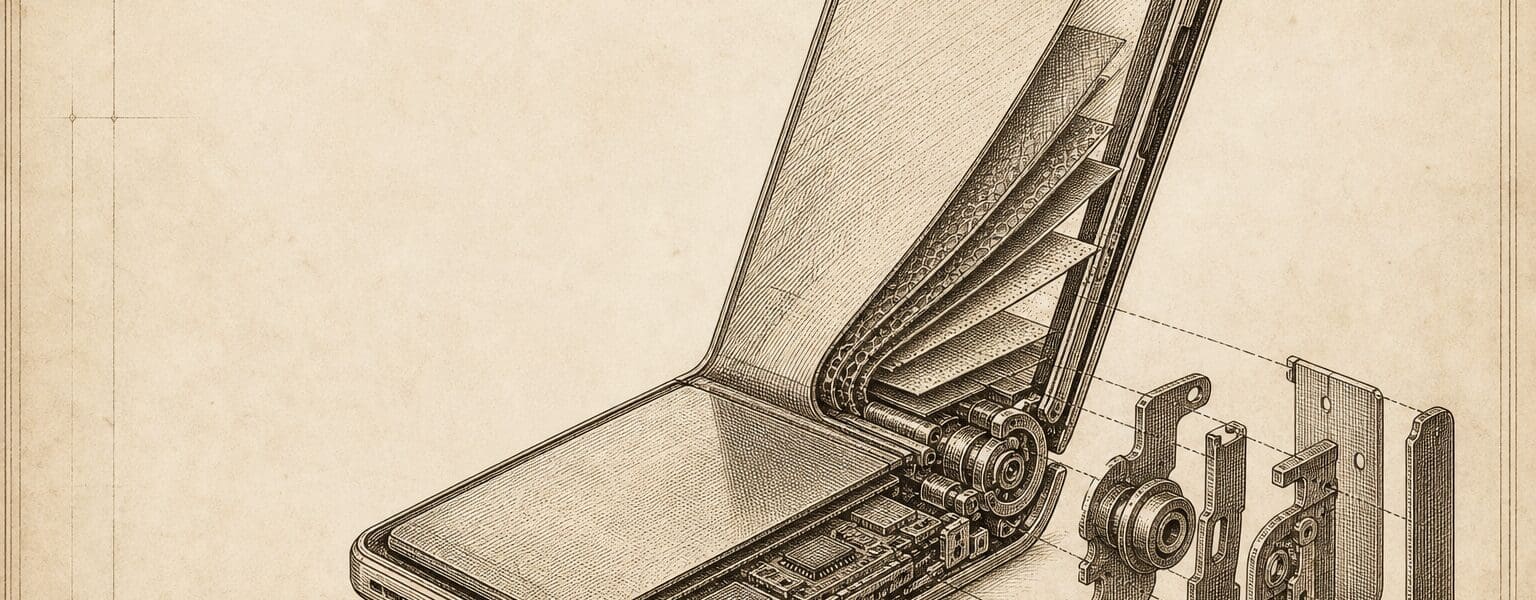
Where that money actually goes is the hardware most people never think about. A folding screen needs a flexible display layer, a precision hinge mechanism and reinforced internal structure that a normal phone simply doesn’t require, and all three of those add real manufacturing cost rather than just brand markup.
Are Folding Phones Actually Worth the Extra Money?
It depends entirely on what you’d use the bigger screen for. If you regularly juggle documents, spreadsheets or multiple apps side by side on your phone, the extra real estate genuinely changes how usable those tasks feel, in a way a normal phone screen can’t match.
If your phone is mainly for messaging, social media, photos and streaming, a standard flagship does all of that just as well for roughly half the price. Folding phones solve a specific problem well, they don’t make an ordinary phone experience noticeably better.
Be honest with yourself about which category you actually fall into. It’s easy to picture yourself as the productivity user who’ll use the extra screen daily, and quite common to end up mostly using a folding phone the same way you’d use any other one.
What Actually Breaks on a Folding Phone?
Durability has improved a lot, but the inner screen is still a softer material than a normal phone’s glass, and it’s more vulnerable to a stray fingernail or a bit of grit getting trapped in the hinge. Most current models carry proper water resistance now, which used to be a genuine weak point on early folding phones, and independent testing of the latest folding phones backs up how far hinge durability has come since the first generation.
The bigger practical risk isn’t a dramatic failure, it’s the accumulated cost of repairs if something does go wrong. A cracked inner screen on a folding phone is a considerably more expensive fix than the equivalent repair on a standard handset, so it’s worth checking what your phone insurance actually covers before you buy.
Screen protectors also work differently on a folding phone. The pre fitted film covering the inner display isn’t optional in the way a normal screen protector is, it’s part of how the display is engineered to survive folding, so it shouldn’t be peeled off even if it looks a bit worn.
Key takeaways
- Current folding phones typically start well over £1,500, some pushing past £2,000.
- Hinges and screens are far more durable than early folding models, but still softer than standard glass.
- The extra screen suits multitasking and productivity, not casual browsing and social media.
- Repairs, if you need them, tend to cost more than on a standard phone.
Should You Wait for the Next Round of Folding Phones?
Apple is rumoured to be entering the category for the first time around the same September window as its next standard iPhone launch, in a similar pattern to the one we covered around the Google Pixel 11’s UK arrival. Nothing about an Apple folding phone is confirmed, so treat it as one more reason to wait rather than a certainty to plan around.
If a current folding phone already does what you need, there’s little upside in holding out for a rumoured first generation device from a brand new entrant. Early versions of any new product line tend to have the rough edges worked out over a generation or two, not on day one.
Is There a Cheaper Way In?
Some manufacturers now sell a smaller “flip” style folding phone alongside the larger book style ones, usually a few hundred pounds less than the full sized version, with a smaller inner screen and less of the productivity benefit. It’s a reasonable middle ground if you like the format but can’t justify the flagship price.
Buying the previous generation once a new one launches is another route in. Folding phone prices drop meaningfully once a successor is announced, in much the same way standard flagships do.
Refurbished and certified pre owned folding phones are also becoming more common as the category matures, usually at a meaningful discount to buying new. Just check the hinge and screen condition carefully in the listing, since those are the two components that show wear first.
Frequently asked questions about folding phones
- Do folding phones actually break easily?
- Less than early models, but the inner screen remains softer than standard phone glass, so a case and reasonable care still matter more than on a normal handset.
- Are folding phones waterproof?
- Most current flagship folding phones carry proper water resistance ratings now, which was a common weak point in earlier generations.
- Is it worth buying a folding phone on a network contract?
- Given the high upfront cost, spreading it over a contract can make sense, though it’s worth comparing the total cost against buying outright and pairing it with a SIM only deal.
- How long do folding phone hinges actually last?
- Current hinges are typically rated for hundreds of thousands of folds, which comfortably covers several years of normal daily use.
- Should I wait for Apple’s first folding phone?
- Only if you can comfortably wait. It’s rumoured, not confirmed, and first generation devices from any brand often improve significantly by their second version.


