


The Smarter Way to Compare No Upfront Cost Phones
Nothing to pay on day one is nice. Knowing what you pay in total is better, so we sort every deal by total cost.

Shop by manufacturer
No upfront cost phones from the big brands, compared by total contract cost. Pick a brand to filter the deals below.
Results:
0 deals found
Finding the best deals
Searching through thousands of offers...




































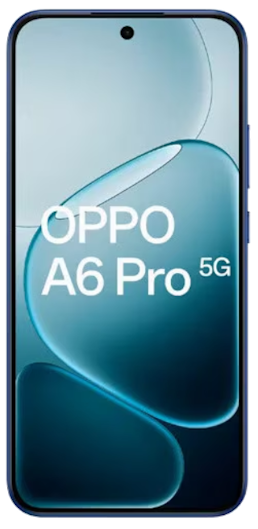






What are no upfront cost phones?
No upfront cost phones are pay monthly handset deals where you pay nothing on the day you sign up. The phone arrives, and the whole cost is spread across your monthly bills instead. Not everyone has several hundred pounds spare for a handset, so it is a popular way to buy.
The catch, such as it is, is that “no upfront cost” describes when you pay, not how much. The money for the phone still has to come from somewhere, and that somewhere is your monthly price. So the useful question is not “is it free today?” but “what will this cost me by the end of the contract?”
The table above lists pay monthly phone deals from UK networks, sorted by total cost. To see only no upfront cost phone deals, choose No upfront cost in the upfront cost filter.
Is a no upfront cost phone actually cheaper?
Sometimes, but not automatically. The only fair comparison is the total cost: the upfront payment plus the monthly price multiplied by the number of months.
Here is a made-up example to show the maths, not a real offer. Deal A has nothing to pay upfront and costs around £38 a month for 24 months, so roughly £912 in total. Deal B asks for roughly £100 upfront and then around £32 a month for 24 months, so roughly £868 in total. Deal A feels kinder on day one, but in this example it costs around £44 more by the end.
Change the numbers and the answer can flip. You only find out by doing the sum, which is why our table sorts by total cost.
How do no upfront phone contracts work?
Most handset deals are really two things stuck together: the airtime (your calls, texts and data) and the phone itself. Some networks split these openly. Vodafone, for example, sells handsets on a separate device plan, which it describes as buying the device under a credit agreement. Others bundle both into one monthly price.
Either way, paying nothing upfront means you are effectively borrowing the cost of the handset and paying it back monthly. That is why credit checks come into it.
Do no upfront cost phones need a credit check?
Usually, yes. A pay monthly handset deal is a form of credit, so the network will usually run a credit check before it says yes. Vodafone, for instance, says it runs a credit check on new pay monthly device plans, checks your details with the credit reference agencies Experian, Equifax and TransUnion, and may ask about your income and outgoings to judge what you can afford.
That check leaves a record on your credit file, known as a search footprint, which other lenders may see. Vodafone also notes that lots of credit checks can affect your ability to borrow, so compare first and apply once.
You may see adverts for contract phones with “no credit check”. Be wary. Handset contracts from the main networks usually involve one. If a credit check is a problem, the more realistic routes are a SIM only plan with a phone you already own or buy outright, or a pay as you go plan. Vodafone, for one, does not credit check its Pay as you go Plus plans.
Can my monthly price go up?
It can, but the rules have changed in your favour. Since 17 January 2025, Ofcom has banned phone and broadband providers from putting price rises linked to inflation, or set out as a percentage, into new contracts. If a new contract includes price rises, they must be shown in pounds and pence, prominently and before you sign up, along with when they will happen.
If your provider puts the price up by more than your contract says, or your contract does not set out the rise at all, Ofcom says they must give you at least 30 days’ notice and let you leave without paying exit fees. Contracts signed before 17 January 2025 can still have inflation-linked or percentage rises in them, so check yours.
For a no upfront deal this matters more than usual, because the whole cost of the phone sits in the monthly bill. Add any written-in rises to your total cost sum before you choose.
When does a no upfront cost deal make sense?
- You need a phone now and would rather not drain your savings in one go.
- The total cost is the same as, or close to, a deal with an upfront fee.
- You are confident you can keep up the monthly payments for the whole contract.
It makes less sense if you can afford the handset outright and are happy with a SIM only plan, or if a small upfront payment brings the total down noticeably.
What to check before you sign
- The total cost over the full contract, not the monthly price on its own.
- Any price rises written into the contract, in pounds and pence.
- How long the contract runs. Longer terms can lower the monthly price but tie you in for longer.
- How much data you actually use, so you are not paying for more than you need.
- Whether the handset and airtime are separate, and what happens to your bill once the phone is paid off.
- Whether you could do better buying the phone outright and adding a SIM only plan.
What happens when the contract ends?
This is where the Do-Nothing Default quietly sends you a bill. Ofcom points out that providers often increase the main monthly price when a contract ends, so do not simply roll on. Check your options a little before the end date. Moving to a new mobile network is simple now: Ofcom says you can switch with a free text. If you are keeping the same phone, a SIM only plan is often the obvious next step, and our SIM only deals page will help you compare them.
Looking for a particular handset? Our mobile phone deals page covers the wider range, and the iPhone deals and Samsung Galaxy deals pages narrow it down by brand.
Frequently Asked Questions
-
What does no upfront cost mean on a phone contract?
It means you pay nothing when you sign up. The cost of the handset is spread across your monthly payments instead, so the monthly price is usually higher than on a deal with an upfront fee.
-
Are no upfront cost phones cheaper overall?
Not always. Work out the total cost: the upfront payment plus the monthly price multiplied by the number of months. Sometimes the no upfront deal wins, sometimes a small upfront payment brings the total down.
-
How do I see only no upfront cost phones in the table?
Choose No upfront cost in the upfront cost filter. The table then shows only deals with no upfront payment, still sorted by total cost.
-
Do no upfront cost phone deals need a credit check?
Usually, yes. A pay monthly handset deal is a form of credit, so networks normally run a credit check, which leaves a search record on your credit file.
-
Can I get a contract phone with no credit check?
Handset contracts from the main networks usually involve a credit check. If that is a problem, a SIM only plan with a phone you own, or a pay as you go plan, are the more realistic options. Vodafone, for example, does not credit check its Pay as you go Plus plans.
-
Can my monthly price go up on a no upfront deal?
Since 17 January 2025, Ofcom rules mean any price rises in a new phone contract must be set out in pounds and pence before you sign up, not as a percentage or linked to inflation. Check the contract summary for the amounts and dates.
-
What if my provider raises the price by more than the contract says?
Ofcom says your provider must give you at least 30 days’ notice and let you leave the contract without paying exit fees.
-
Can I get an iPhone or Samsung with no upfront cost?
Often, yes. Use the brand tiles or the brand filter in the table, then choose No upfront cost in the upfront cost filter to see what is available.
-
What happens when my no upfront contract ends?
Providers often put the monthly price up when a contract ends, Ofcom points out, so check your options before the end date. If you keep the phone, a SIM only plan is worth comparing. You can switch mobile network with a free text.