

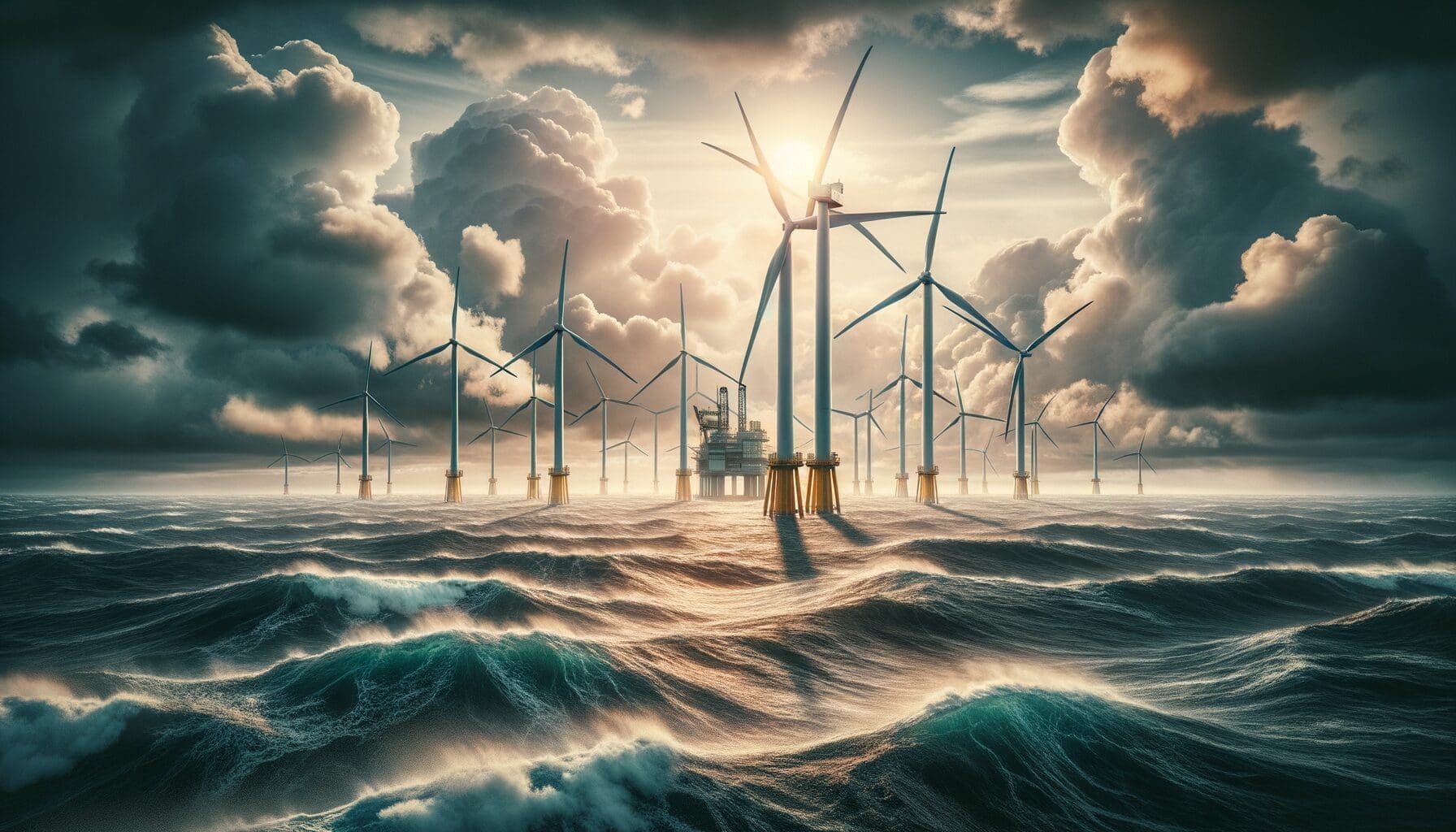

Octopus Energy, a high-profile company within the global energy field, has marked a stunning achievement of more than $2 billion (£1.5 billion) in investments in offshore wind power. This news came out during the recent COP29 event taking place in Baku, Azerbaijan, highlighting the clear fact that Octopus has these E2B (Energy to Billions) plans of somehow deploying $20 billion into offshore wind projects by 2030. Clearly, this is part of a much bigger narrative within the company regarding the E2B pathway itself.
The Strategic Growth of Octopus Energy’s Offshore Wind Projects
Last year, Octopus Energy took a major step into offshore wind when it launched the Vector Offshore Wind Fund. It is now putting serious money to work in what has often been called the next big thing in seawater: wind turbines. In contrast to the turbines that punctuate landscapes on land, offshore wind is seen as much less visually obtrusive, especially when it comes to utilizing deeper waters.
But with deep water comes an immediate problem: floating turbines, which need to be designed and harnessed in an economic and sensible way that allows them to operate effectively over the course of a project, from construction through to decommissioning. It is here where Ocergy, a principal partner in the Vector fund, comes into the picture.
Innovations Spearheading Change
Furthermore, Octopus does not merely finance initiatives; it is also developing innovations to make clean and renewable energy more efficient and widely available. One of the company’s notable innovations is a model called the “Fan Club,” which offers a unique proposition to consumers who live near offshore wind turbines. Those consumers are able to access electricity that is significantly discounted during peak wind conditions—when the company has surplus energy to sell. This model serves not just as an advertisement for offshore-wind adoption, but if taken collectively with other company initiatives, it advances the vision of a consumer-centric energy economy.
The Global Impact of Offshore Wind Power
The overall international situation in offshore wind energy is not fast but very fast developing. This is primarily because governments all over the world are fantastically supercharging their commitments to expand renewable energy infrastructures, including (but not limited to) offshore wind power. Those commitments, and the levels they reach in the development of offshore wind power, are quite impressive indeed. The change of pace is certainly very much to the good; a great acceleration hardly ever comes without an increase in the actual benefits one can expect to derive from the changes one is bringing about.
The Role of Investments and Future Outlook
The forward-looking strategies of offshore wind investment that companies such as Octopus Energy employ are key to the transformation of the world’s energy systems toward renewables. More than simply being a marker of Octopus’s commitment to this particular kind of low-carbon investment, the announcement of its $2 billion investment in offshore wind serves as an industry signal that wind, and the kind of European market where EDP Renewables operates, is one with promising growth potential. And Octopus’s push in offshore wind investment serves as an important counterbalance to the media narrative of waning market interest in wind as a low-carbon solution.
Frequently Asked Questions
-
What are the advantages of offshore wind farms compared to their onshore counterparts?
Offshore wind farms have the potential to be much larger than onshore installations, and they also have much less impact, both visual and auditory, on human communities. They can be sited in places where the wind is almost guaranteed to be strong and consistent, which is why these turbines, even in small numbers, tend to generate a lot more electricity than similar installations onshore.
-
What does the business model look like?
It isn’t easy to make money building offshore wind farms. One way to make it work is what Octopus has applied to the business model—a “Fan Club” approach, in which customers in the U.K. pay lower rates for electricity when renewables like wind are generating at capacity.
Octopus Energy’s monumental investment in offshore wind is a beacon for other companies and nations striving to enhance their renewable energy capacities and achieve the best commercial energy prices. This not only supports global sustainability goals but also propels the energy sector towards more innovative and economically viable solutions. To learn more about how offshore wind investments are transforming the energy sector, visit authoritative sources like Bloomberg, Reuters, and CNBC.


