

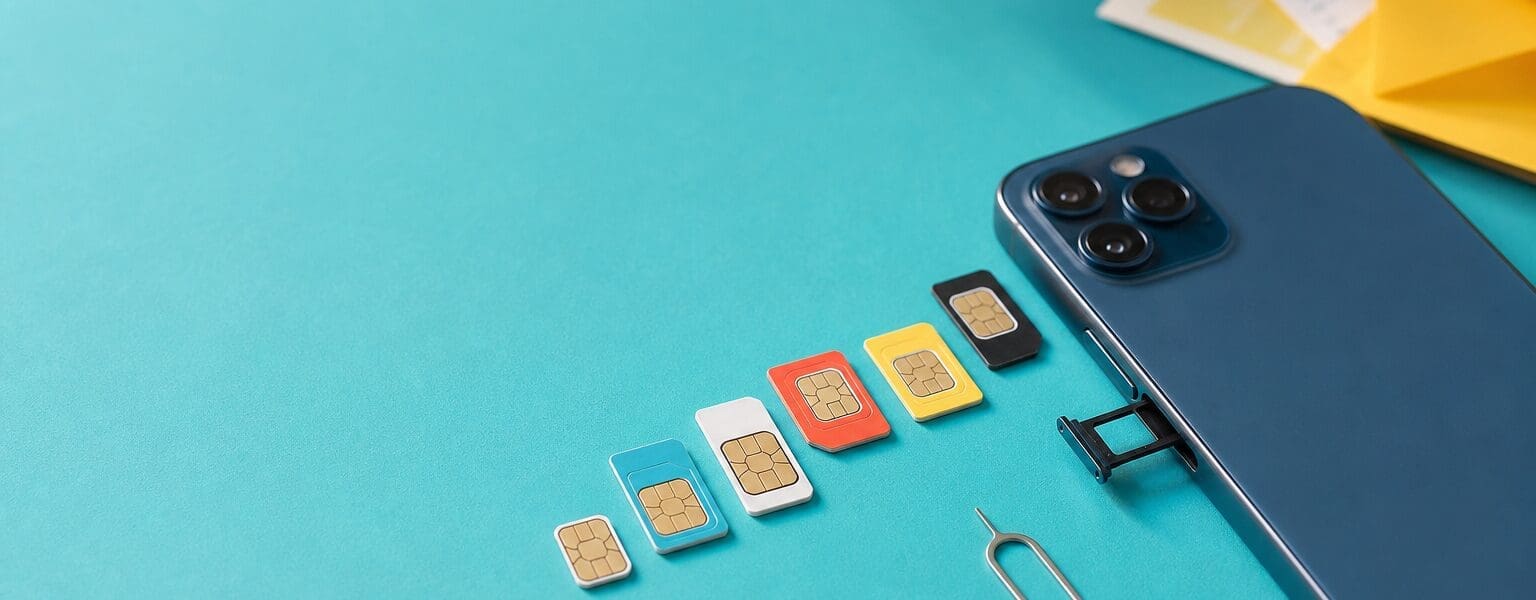

What Is a Recycled Mobile Number?
A recycled mobile number is a phone number that used to belong to someone else and has now landed in your pocket, usually after sitting dormant for a few months. It happens quietly, with no warning to you and no warning to whoever had it before. One day it’s just your number.
UK networks don’t invent a fresh number for every new SIM. The pool of possible combinations is finite, so once an old number has gone unused for long enough, it gets wiped clean of its old owner’s details and handed straight back out. That’s not a fault. It’s standard practice at every network from the smallest MVNO to the big four.
The bit nobody tells you is what can come attached. Old logins, old contacts, old arguments. We’ll get into that.
Why Does Your Number Get Recycled?
Your number gets recycled because there’s a finite supply of them and the UK numbering system is built around reuse, not permanent ownership. Every mobile number in the UK belongs to Ofcom’s numbering plan, not to you, and networks only lease it to you while you’re an active customer.
Two situations tend to trigger it. A pay-as-you-go SIM that stops being topped up eventually falls foul of the “use it or lose it” rule. A pay monthly account that’s cancelled and never ported elsewhere gets closed down for good too. Either way, the network typically leaves the number dormant for a quarantine period first, commonly around 90 days, before it hands the number to someone new. That window is network practice rather than a fixed legal minimum, so it varies between providers, and it’s worth asking your own network what it applies.
This is exactly how a recycled mobile number ends up back in circulation. It’s dull, procedural housekeeping. The problem is what you leave behind when it happens to your old number, or what you inherit when it happens to someone else’s.
The Real Risk: What a Recycled Mobile Number Can Expose
Getting a recycled mobile number isn’t usually dangerous on its own. The risk shows up when the previous owner never updated their number on their bank app, their email account, or their two-factor login, and those services keep trying to text the old number, which is now yours.
Which? surveyed 15,220 of its members in July 2024 and found 7% had experienced problems caused by the deactivation or reallocation of a landline or mobile number, including calls and messages meant for whoever had it before. Of those who had changed their own number, only half had updated it with all the relevant accounts and organisations, a quarter had updated some but not all, and one in ten admitted they hadn’t updated it anywhere. Which? members are a self-selecting group rather than a representative sample of the country, but the pattern is clear enough.
That gap matters. If you inherit a recycled mobile number, you could start receiving one-time passcodes, password reset texts, or delivery confirmations meant for a stranger. Which? also heard from people fielding calls from debt collectors, or worse, chased by contacts looking for the previous owner.
It cuts the other way too. If you’ve stopped using a number without properly moving your accounts off it first, a stranger could eventually be the one receiving your bank’s login code.
Recycled Mobile Number at a Glance
Here’s roughly what happens to a number depending on how you leave it, checked September 2026.
| What you do with your number | Typical dormant period before reuse | Your risk if you don’t act first |
|---|---|---|
| Stop topping up a PAYG SIM | Around 90 days is common practice, though not a fixed legal minimum | High, since old accounts are still pointing at that number |
| Cancel a pay monthly contract | Similar quarantine window before the network reissues it | Medium, lower if you’ve updated your key accounts first |
| Port your number to a new network | Not reused at all, it moves with you and stays yours | Low, the old SIM simply goes dead |
How to Protect Yourself Before You Give Up a Number
The fix is boring, which is exactly why so few people bother with it. A little admin now beats a recycled mobile number causing you grief, or someone else’s, six months down the line. Think of it as the one bit of switching admin the Do-Nothing Default relies on you skipping.
Key takeaways
- Before you let a number lapse, update it on your bank app, email account and anywhere you use it for two-factor login.
- If you’re switching networks, porting your number across avoids the whole reissue process, since the number simply travels with you.
- Keep a PAYG SIM topped up or active if you still use that number anywhere important, even occasionally.
- Tell close contacts and any accounts tied to that number before you cancel or stop using a SIM.
If You’ve Just Been Given a Recycled Mobile Number
Getting calls or texts meant for someone else isn’t a sign of anything sinister on your part. Living with a recycled mobile number is just an unfinished handover, nothing more. A few checks will settle most of it quickly.
Reply to genuine-looking texts (never links, just a plain reply) letting the sender know the number’s changed hands where that feels safe to do, or simply ignore anything that looks like spam or a scam attempt. If calls persist from debt collectors or similar, tell them directly the number has a new owner and ask them to update their records.
Keep an eye out for one-time passcodes or verification texts that clearly aren’t for you. That’s usually a sign the previous owner still has an account linked to your new number, and it’s worth being cautious about anyone contacting you claiming to be them. If you suspect your own number has been targeted by fraud rather than simply reassigned, our guide to SIM swap fraud protection covers the warning signs.
If you’d rather start fresh, most networks will let you request a different number, though it’s worth weighing that against the hassle of updating everyone again. Comparing PAYG mobile deals is a reasonable way to test a new number risk-free before committing to a full contract.
Frequently asked questions about recycled mobile numbers
- How do I know if I’ve been given a recycled mobile number?
- If you start receiving texts, calls or verification codes clearly meant for someone else soon after getting a new SIM or number, it’s very likely been recycled from a previous owner.
- Can I ask my network to reserve my old number instead of recycling it?
- Generally no. Numbers are part of Ofcom’s shared numbering plan, so once your account closes and the quarantine period passes, the network can reissue it to a new customer.
- Will porting my number instead of cancelling stop it being recycled?
- Yes. A ported number moves with you to your new network rather than being released back into the pool, so it can’t be handed to someone else while you’re still using it.
- Is a recycled mobile number a security risk on its own?
- Not automatically, but it can expose old accounts still linked to that number by text-based verification, so it’s worth being alert to any codes or messages that clearly aren’t meant for you.
- What should I do before giving up a number for good?
- Update your bank, email and any two-factor login settings first, and consider porting rather than simply cancelling if you can, since that avoids the recycling process entirely.
Sources:


