


When Should You Turn Your Heating On?
The honest answer: when your home stays below about 15 to 16°C for a couple of days running, not the moment the calendar flips to September. The Energy Saving Trust and the Met Office both point to that mid teens mark as the moment central heating stops being optional and starts being sensible. Turn heating on too soon, purely because the evenings feel a bit nippy, and you’re paying for warmth you don’t strictly need yet.
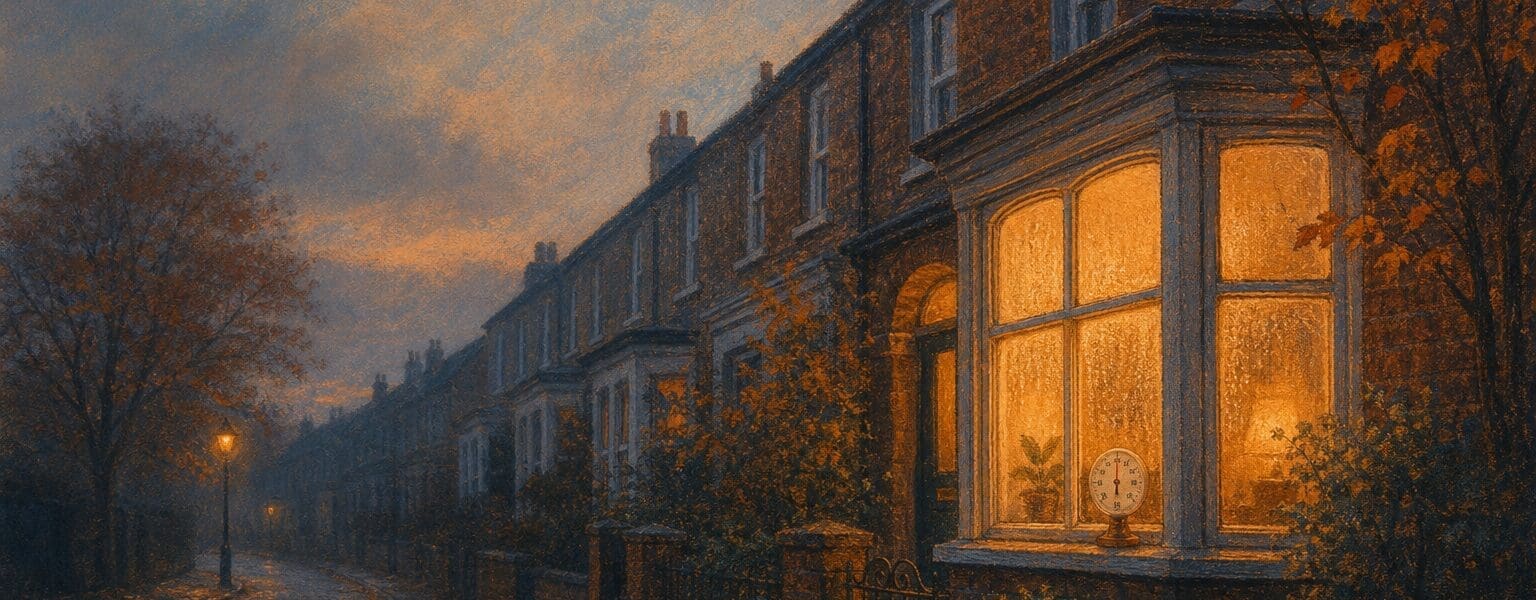
Every household is different. A draughty Victorian terrace with an older resident will want the heating on sooner than a properly insulated modern flat full of hardy young professionals. The trick is watching a thermometer, not a date on the wall.
If you’re renting, the decision to turn heating on isn’t always entirely yours. Draughts round old windows or a boiler that’s seen better days can push the moment forward regardless of what you’d prefer, and a landlord slow to sort insulation or a working thermostat only makes it worse. Flagging problems in writing early gives you a paper trail if a repair drags on into the colder weeks.
Why Rushing to Turn Heating On Early Can Cost You
Every week you turn heating on before you truly need it adds to a bill that’s already higher than it was a year ago. The Ofgem price cap for a typical direct debit household sits at around £1,663 a year for the period running 1 July to 30 September 2026, a rise of roughly 13% on the previous cap (Ofgem, checked August 2026). That’s before anyone’s even reached for the thermostat.
Standing charges land whether you use energy or not. Turn heating on, though, and unit rates start doing the real damage: roughly 26p per kWh for electricity, 7p per kWh for gas (Ofgem, checked August 2026). Over a full heating season that adds up fast, especially if the dial’s set a couple of degrees higher than it needs to be. Our energy price cap guide breaks down exactly what those numbers mean for your own bill.
Does Waiting Too Long to Turn Heating On Cause Problems?
Yes, sometimes. Holding out too long to turn heating on can let damp and condensation build up in poorly ventilated homes, particularly older properties or flats on the ground floor. Mould doesn’t care how thrifty you’re trying to be. Condensation on the windows or a musty smell in a back bedroom is usually the house telling you it’s time.
Vulnerable households, including older residents and anyone with a respiratory condition, generally shouldn’t wait for the mid teens threshold at all. The main advice from health bodies is to keep living areas around 18°C or warmer for these groups, whatever the season says.
Key takeaways
- Turn heating on when indoor temperatures sit below roughly 15 to 16°C for more than a day or two, not on a fixed date.
- Vulnerable households should aim to keep main rooms around 18°C regardless of the season.
- A timer beats a thermostat left running all day, most of the time.
- Check your current tariff before the October price cap lands, expected by 26 August 2026 (Ofgem).
Energy Costs at a Glance (checked August 2026)
| Figure | Rate |
|---|---|
| Typical dual fuel price cap (Direct Debit) | around £1,663/year |
| Electricity unit rate | around 26p/kWh |
| Gas unit rate | around 7p/kWh |
| Electricity standing charge | around 57p/day |
| Gas standing charge | around 29p/day |
Source: Ofgem price cap, 1 July to 30 September 2026, checked August 2026. Figures are national averages and vary by region, usage and payment method.
How to Turn Heating On Without Overpaying
Once you do turn heating on, a few habits keep the cost down without anyone shivering. Set the thermostat somewhere between 18°C and 21°C rather than nudging it up whenever a room feels a bit fresh. Each extra degree adds up. Resist the urge to crank it.
Use a timer rather than leaving the heating running all day. The Met Office suggests setting it to come on shortly before you get up and off again after bedtime, so you’re not warming an empty house at 2pm. Close curtains at dusk, bleed radiators that are cold at the top, and book a boiler service before the coldest weeks arrive rather than during them. For a wider comparison of options, our guide on the best ways of heating your home is worth a read.
A smart thermostat or a basic timer you plug in can take some of the guesswork out of deciding exactly when to turn heating on, letting you schedule shorter bursts around the times you’re actually home rather than guessing. They’re not essential, and a cheap mechanical timer does much the same job for a fraction of the price, but either beats a dial left untouched from October to March.
It’s also worth checking you’re not still sitting on a tariff that quietly rolled over months ago. If you haven’t looked since last winter, now is a sensible moment, especially with support like the Winter Fuel Payment due to land for eligible households later in the year.
Frequently Asked Questions
- What temperature should make me turn heating on?
- Most guidance points to around 15 16°C indoors for a day or two running. Below that, comfort and damp risk usually outweigh the extra pence on your bill.
- Is it cheaper to leave heating on low all day?
- Generally, no. The Energy Saving Trust advises heating your home only when you need it, using a timer, rather than leaving a low background temperature running constantly.
- Does turning heating on later actually save money?
- Usually, yes, for homes that are properly insulated and ventilated. For draughty properties or vulnerable residents, the saving can be outweighed by damp risk or health concerns, so it’s not a blanket rule.
- When will the October 2026 price cap be announced?
- Ofgem is due to confirm the cap for 1 October to 31 December 2026 by 26 August 2026, shortly before the new period starts.
- What’s the best thermostat setting once heating is on?
- Somewhere between 18°C and 21°C for main living areas suits most households, with lower settings in bedrooms and rooms used less often.
There’s no single date that suits every home, so the honest move is to watch the thermometer, not the forecast, and turn heating on when your house actually needs it rather than when a neighbour’s does. While you’re at it, check whether you’re still sitting on last year’s tariff. It only takes a couple of minutes to compare energy deals and make sure you’re not paying more than you have to before the colder months land.


