


The Smarter Way to Compare
Mobile Phone Deals
Phone contracts from UK networks, side by side. Search by phone or brand to start, then compare deals and check the total cost over the contract.
Shop by manufacturer
Big brands, better deals, and smarter savings, because switching should be simple and rewarding.
Results:
0 deals found
Finding the best deals
Searching through thousands of offers...











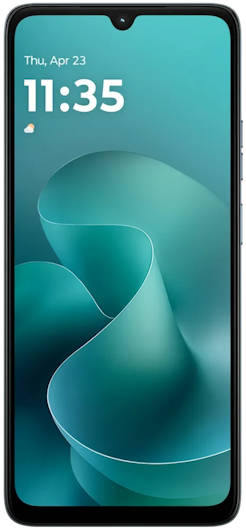



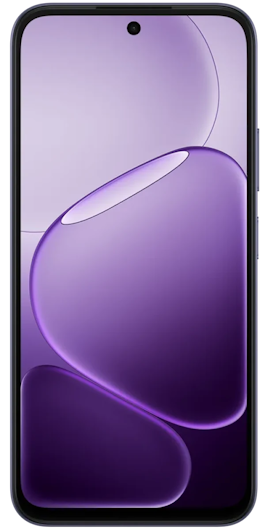



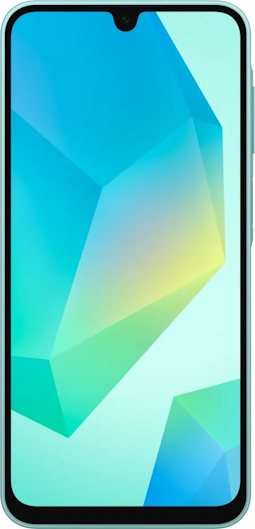
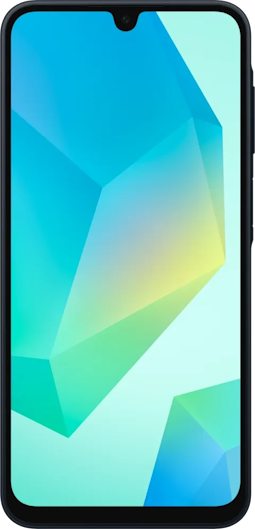


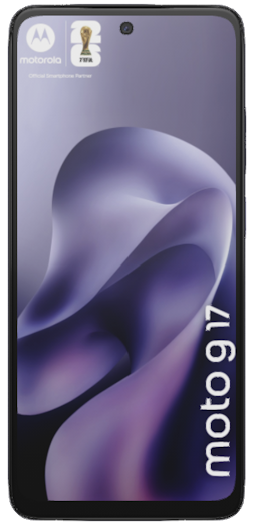





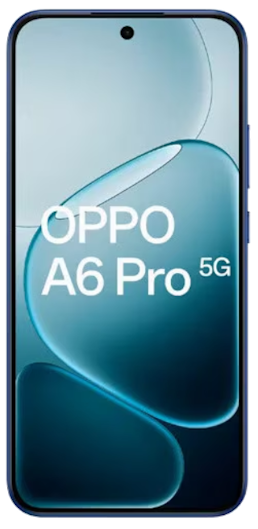










The UK mobile market offers unprecedented choice, with dozens of networks and retailers competing for your business. Whether you’re upgrading to the latest flagship smartphone or switching providers, understanding the different deal types available is essential to finding the best value for your needs.
Before you look at handsets, work out the total cost. Add the monthly price for every month of the contract, the upfront cost and any price rises written into the deal. Then compare that with buying the phone outright and adding a SIM only plan. The cheaper route depends on the phone and how long you keep it.
Types of Mobile Deals Explained
Mobile deals fall into four main categories, each with distinct advantages and trade-offs. Contract deals lock you into a 12-24 month agreement, offering subsidised handsets but inflexible terms. SIM free buys let you own the phone outright and choose any SIM provider. Pay as you go (PAYG) offers ultimate flexibility with no long-term commitment. Refurbished phones provide budget alternatives with environmental benefits.
| Deal Type | Upfront Cost | Contract Length | Best For |
|---|---|---|---|
| Contract | £0-£200 | 12-24 months | Latest phones, predictable costs |
| SIM-Free | £300-£1500+ | None | Flexibility, keeping phone longer |
| PAYG | £200-£800 | None | Light users, no commitment |
| Refurbished | £150-£600 | None | Budget-conscious buyers |
What to Look for When Comparing Deals
Beyond the monthly price, evaluate total contract cost, data allowances, network coverage in your area, and customer service ratings. Check for hidden charges, excess data fees, and early termination penalties. UK networks vary significantly in 5G rollout, rural coverage, and customer satisfaction scores. Use independent benchmarks from Ofcom and consumer reports.
- Total monthly cost over contract length vs upfront price
- Data allowance sufficiency for your usage patterns
- Network coverage in your home and work locations
- Customer service availability and support channels
- 5G availability and speeds in your region
Overview of UK Mobile Networks
The UK has three main mobile networks: EE, O2 and VodafoneThree, which was formed when Vodafone and Three merged in 2025. Dozens of smaller providers, such as giffgaff, Tesco Mobile, Sky Mobile, iD Mobile and Lebara, run on these networks, often at a lower price. Coverage is what matters most, so check each network’s coverage checker for your home and work postcodes before you choose.
How to Compare Mobile Phone Deals Properly
Here is how the maths works, using round numbers as an example. A phone contract at £50 a month for 24 months costs £1,200, plus any upfront fee. If the same phone costs £900 to buy outright and you add a £12 a month SIM only plan, you pay £1,188 over the same two years, and you own the phone from day one. Prices change all the time, so run the numbers on the actual deals in front of you.
Many people never do this sum and pay more than they need to for the handset. Always work out the total cost before you decide between a contract and SIM only.
Many shoppers overlook this calculation and end up overpaying significantly for the handset portion. Always work out true total cost before deciding whether a phone contract or SIM-only route makes sense.
How to Use Switcheroo to Find Your Best Deal
Switcheroo’s comparison engine filters deals by phone model, network, contract length, and budget. Input your current usage to match appropriate data tiers. Compare total costs, not just monthly rates. Read customer reviews for real-world performance insights. Use our Guide to Switching to ensure smooth switching and avoid early termination fees by timing your upgrade correctly.
When Is the Best Time to Buy a New Phone?
Phone prices tend to drop in the weeks and months after a launch. New iPhones usually arrive in September, and Samsung’s main Galaxy S phones early in the year, so last year’s models often get cheaper around then. Black Friday and the January sales can bring further discounts.
The other date that matters is your own contract end date. Once your minimum term is up, you can switch without exit fees, and you are no longer paying off a handset you already own. Trading in your old phone can also take money off the new one, so get a quote before you buy.
Key Considerations When Choosing a New Phone
Look beyond the monthly price. Check what it costs to leave early, whether insurance has been added to the deal, how roaming works for the places you travel to, and what the contract says about upgrading early.
Early exit fees vary a lot between networks and depend on how far into the contract you are, so ask for the figure in writing before you sign. Insurance offered at checkout is optional. Your home insurance or bank account may already cover your phone, so check before you pay twice. Roaming rules also differ: some plans include it in certain countries, others charge a daily fee.
Understanding Your Mobile Contract Rights in the UK
You have 14 days to cancel a contract taken out online or by phone, without giving a reason.
Since 17 January 2025, Ofcom rules say any price rise written into a new contract must be shown in pounds and pence when you sign up, not as a percentage or linked to inflation. So check the price rise dates and amounts, and include them in your total cost. If a provider raises prices in a way your contract did not set out, you should get a month’s notice and the right to leave without a penalty.
If your phone develops a fault in the first six months, it is presumed to have been there when you bought it, and you are entitled to a repair or replacement.
Frequently Asked Questions
-
What's the difference between 4G and 5G mobile deals?
5G is faster and handles busy places better than 4G, which helps with streaming, video calls and hotspotting. Most new phones and many SIM plans now include 5G at no extra cost. Whether you notice the difference depends on 5G coverage where you live and work, so check the network’s coverage map.
-
Can I get a contract deal without upfront costs?
Yes. Most networks offer some phones with nothing to pay upfront. The cost of the handset is spread across the monthly price instead, so check the total cost over the contract. Leaving early usually means paying off the rest of the handset, so these deals work best if you keep the phone for the full term.
-
How do unlimited data deals actually work?
Most UK ‘unlimited’ plans include fair usage limits (typically 100GB+) and speed reductions after thresholds. True unlimited data is uncommon. Providers apply speed caps when fair use limits are exceeded. Check specific fair use policies before purchasing, as they vary significantly between networks and can mean speeds drop to 1-2 Mbps after cap.
-
Should I buy SIM-free or contract?
SIM-free suits users upgrading every 2-3 years and wanting flexibility to switch networks. Contract deals are better if you want the latest phone with predictable monthly payments and longer commitment suits your stability. Calculate total 24-month cost (upfront + monthly payments) to compare directly. SIM-free ownership also means better resale value.
-
What's the best time of year to upgrade?
New iPhones usually launch in September, and Samsung’s Galaxy S range early in the year, so older models often drop in price around then. Black Friday and January sales bring more discounts. The best time for you, though, is when your current contract ends, so you are not paying exit fees.
-
Where can I find SIM-only deals separately?
Visit our All SIM Only Deals page to compare SIM contracts independently. Many users combine SIM-free phones with cheaper SIM plans for total cost savings. Check our iPhone Deals and Samsung Galaxy Deals sections for device-specific comparisons across networks.
-
What is the 14-day cooling-off period for mobile contracts?
Under UK consumer law, you have 14 days to cancel any mobile contract taken out online, by phone, or away from a business premises. You can return the phone and receive a full refund, though you may be charged for calls or data used during that period. In-store purchases may not carry the same automatic right, so confirm at the point of sale.
-
How do I switch mobile provider and keep my number?
Switching mobile provider and keeping your existing number is simple and usually completed within one working day. To start, request a PAC (Porting Authorisation Code) from your current provider, this is free and can be done in seconds by texting PAC to 65075 from your mobile. Your PAC will be valid for 30 days. When signing up with your new provider, just let them know you want to keep your number and provide the PAC code along with the number you’re transferring. Your new provider will handle the switch for you, and your old service will continue working until the transfer is complete, with only a short period of downtime (if any) on the day of the switch.
There’s no need to cancel your existing contract, as this will automatically close once the transfer is completed. However, if you’re still within your minimum term, your current provider may charge an early exit fee, and you’ll receive a final bill (or refund if you’re in credit). It’s important to keep your existing SIM active until the switch has fully completed. If you’d prefer to switch and get a new number instead, you can request a STAC code by texting STAC to 75075.